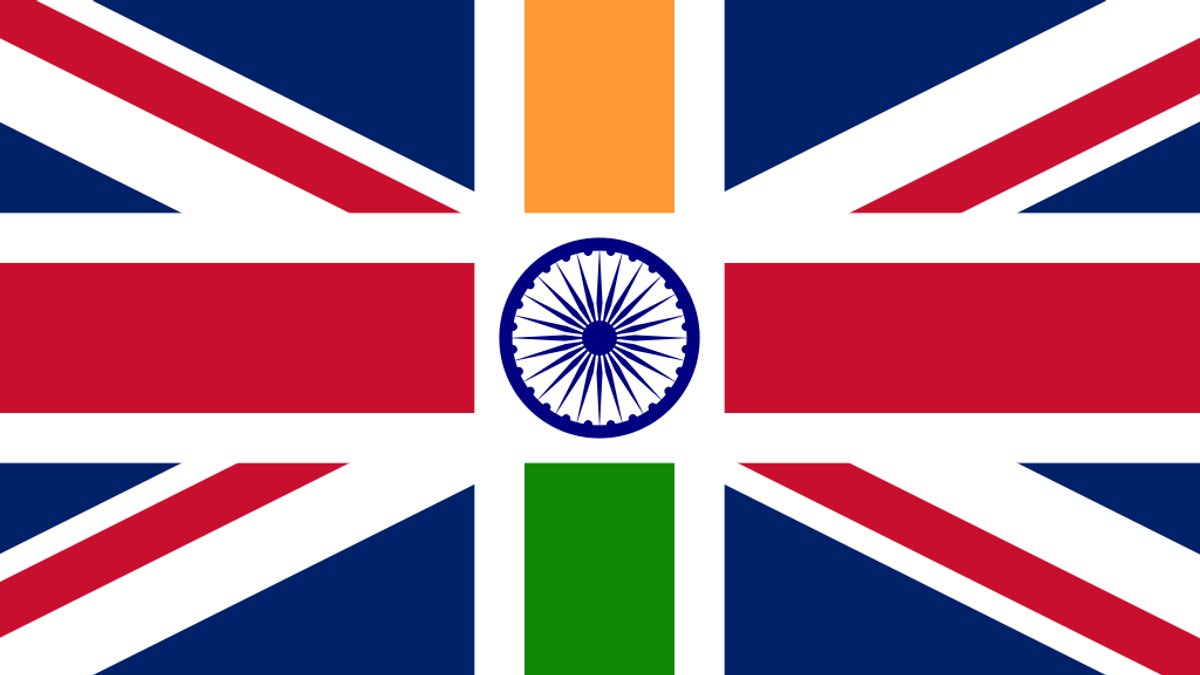
The UK-India free trade agreement begins on July 15, 2026, setting new guidelines for importers and exporters. The deal reduces tariffs, accelerates customs procedures, and loosens visa rules for workers.
Government projections indicate the pact could add £4.8 billion to UK GDP, lift real wages by £2.2 billion, and expand bilateral trade by £25.5 billion each year over time. A special section assists small and medium-sized businesses in adapting to the changes.
Vivek Ramachandran, who leads global trade solutions at HSBC, described the agreement as a foundation for lasting trade and investment growth, though he noted it would not solve every issue right away.
Tariff reductions and exclusions
The agreement removes or lowers tariffs on 92% of goods shipped from the UK to India. India will cut tariffs on 64% of its product categories at launch. Key adjustments include:
- Whisky tariffs will decrease from 150% to 75% at first, then to 40% over ten years.
- Automotive tariffs will drop from 100% to 10% during the same period.
- Cosmetics tariffs of up to 22% will be phased out immediately or within a decade.
Sugar, milled rice, pork, chicken, and eggs remain outside the tariff reductions.
Rules of origin requirements
Products must meet specific origin rules to receive lower tariffs. They must be either:
- Entirely produced in the UK or India.
- Made from materials sourced in either nation.
- Manufactured with foreign materials but follow Product-Specific Rules.
Exporters may self-certify origin, removing the need for official certification per shipment. To do so, companies must supply:
- Their EORI number registered with authorities.
- A primary email address and up to ten additional contacts for updates.
After shipping, an origin declaration must be completed and shared with Indian customs and the buyer.
Related: Is COVID-19 A Reminder Of The Importance Of Saving Money?
Supply chain adjustments and cultural considerations
The deal should improve supply chains, but companies need to review logistics to comply with new requirements. Sean Ramsden, who runs Ramsden International, stressed the need to respect local business customs when exporting. Missteps could disrupt deals.
Easier visa access will help firms moving staff between the two markets. Some sectors may still face challenges from phased tariff cuts, especially those dependent on excluded items.
Businesses can start preparing by checking which products qualify, updating paperwork, and evaluating operational impacts. Officials plan to release more details before the start date, though the full agreement remains unpublished.
These changes arrive as UK start-ups receive a funding boost, potentially easing expansion into new markets.